Residential Hardscaping in Boston, MA
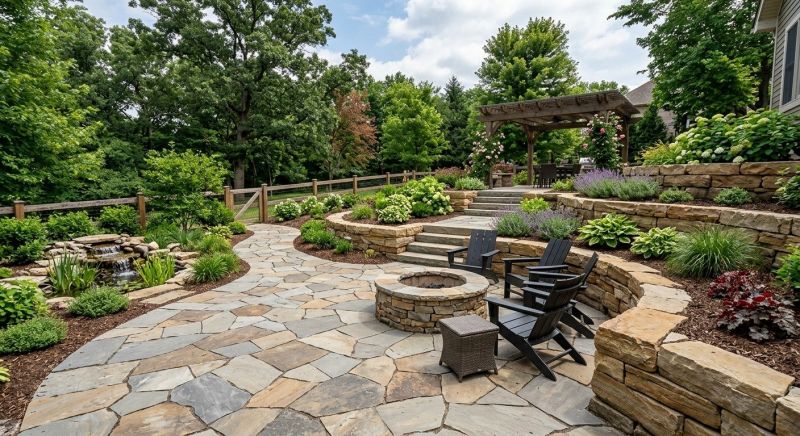
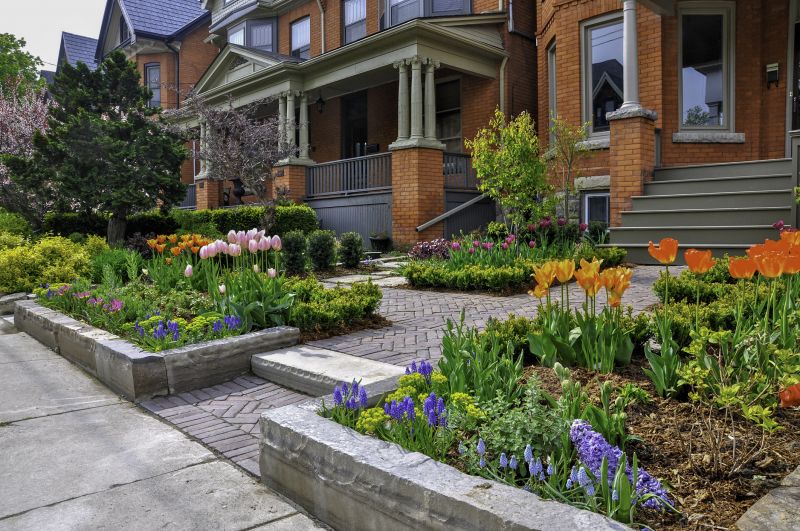
Residential hardscaping services encompass a variety of exterior projects that enhance the functionality and aesthetic appeal of a property. Common projects include installing patios, walkways, driveways, retaining walls, and outdoor stairs, often using materials such as stone, concrete, or brick. Homeowners typically seek these services to create inviting outdoor living spaces, improve curb appeal, or add structural elements that support landscaping features. Before requesting hardscaping work, property owners should consider factors like the intended use of the space, drainage needs, material preferences, and the overall design harmony with existing landscaping.
Understanding the scope of residential hardscaping involves knowing the different types of features that can be added and how they impact the property's layout. Property owners usually want to know about the durability of materials, maintenance requirements, and how the project can complement other outdoor elements. Clarifying budget expectations and desired aesthetic outcomes can help ensure the project aligns with long-term plans for the property. Proper planning and consultation can lead to outdoor spaces that are both functional and visually appealing, tailored to fit the specific needs of the home.
Many property owners in Boston, MA look into Residential Hardscaping for repairs, replacements, upgrades, and appearance-related improvements.
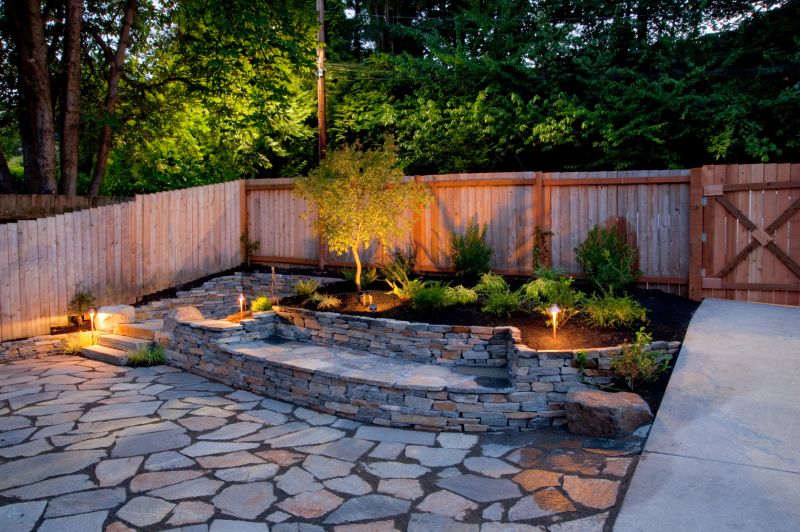
Patio And Walkway Design
Custom hardscaping creates functional and attractive outdoor living spaces.
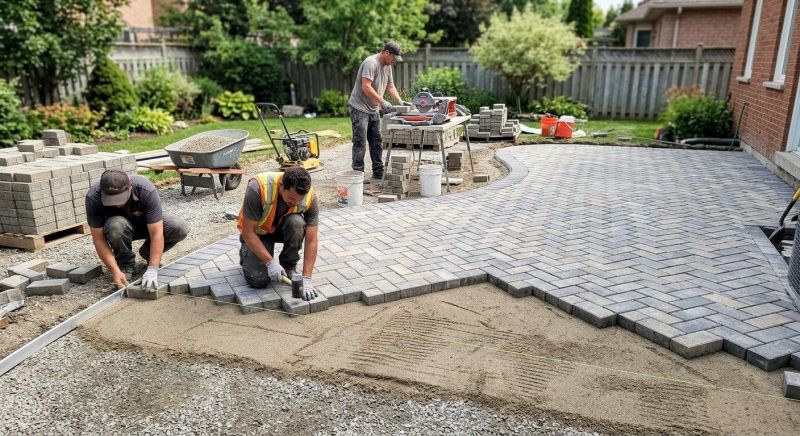
Retaining Walls And Borders
Hardscaping solutions help manage terrain and define property boundaries.
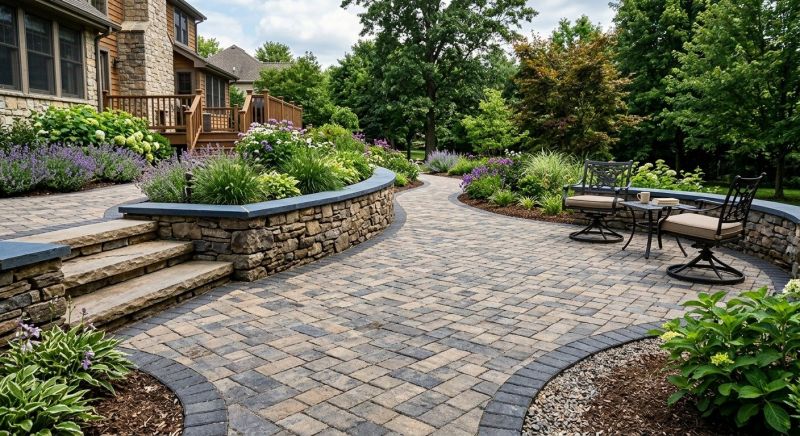
Driveways And Entryways
Durable materials enhance curb appeal and provide reliable access to homes in boston area.
Residential Hardscaping in Boston, MA
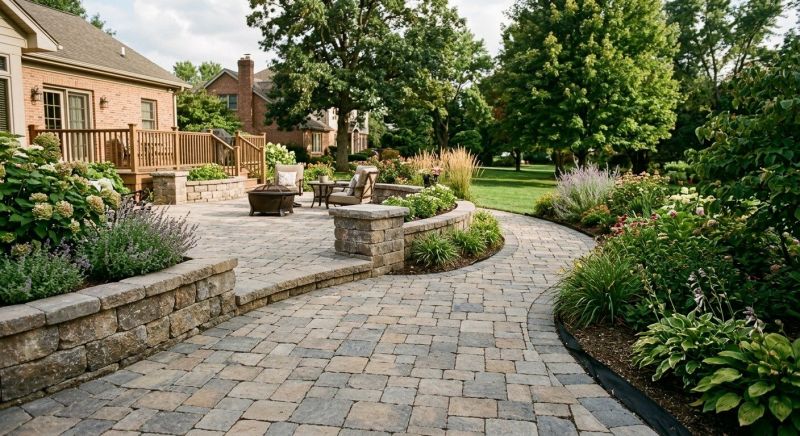
Residential hardscaping services encompass a variety of exterior projects that enhance the functionality and aesthetic appeal of a property. Common projects include installing patios, walkways, driveways, retaining walls, and outdoor stairs, often using materials such as stone, concrete, or brick. Homeowners typically seek these services to create inviting outdoor living spaces, improve curb appeal, or add structural elements that support landscaping features. Before requesting hardscaping work, property owners should consider factors like the intended use of the space, drainage needs, material preferences, and the overall design harmony with existing landscaping.
Understanding the scope of residential hardscaping involves knowing the different types of features that can be added and how they impact the property's layout. Property owners usually want to know about the durability of materials, maintenance requirements, and how the project can complement other outdoor elements. Clarifying budget expectations and desired aesthetic outcomes can help ensure the project aligns with long-term plans for the property. Proper planning and consultation can lead to outdoor spaces that are both functional and visually appealing, tailored to fit the specific needs of the home.
Many property owners in Boston, MA look into Residential Hardscaping for repairs, replacements, upgrades, and appearance-related improvements.
Common Residential Hardscaping Jobs
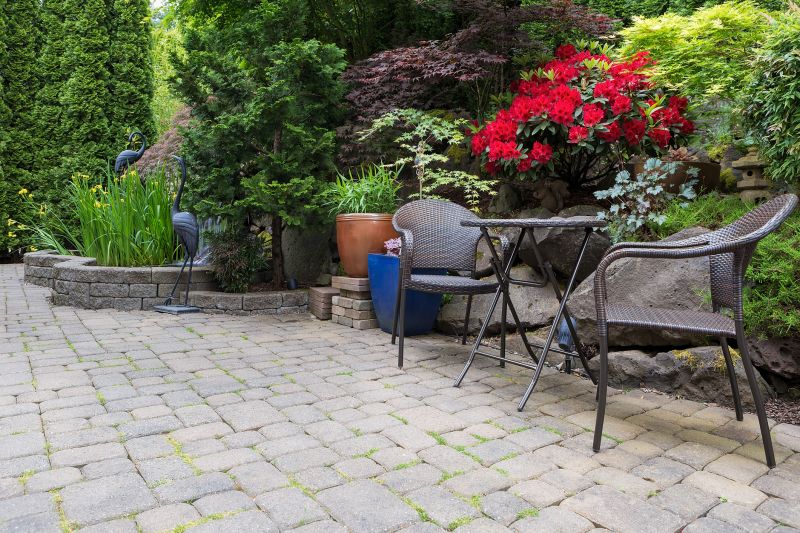
Patio Installation - creating functional outdoor spaces for dining and entertaining.
Walkway Construction - designing durable paths to improve property accessibility.
Retaining Walls - providing structural support and defining landscape features.
Driveway Paving - enhancing curb appeal with smooth, long-lasting surfaces.
Fire Pits and Outdoor Kitchens - adding comfort and convenience to backyard gatherings.
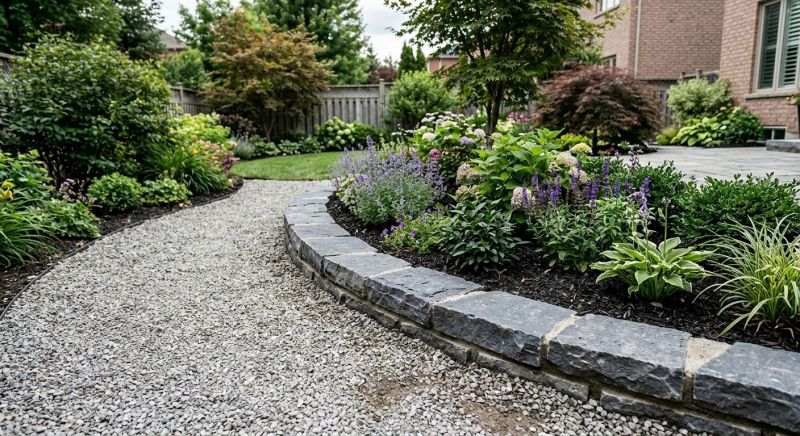
Stepping Stones and Pathways - adding charm and functionality to garden areas.
Residential Hardscaping Questions
What types of projects are included in residential hardscaping? Residential hardscaping covers features like patios, walkways, retaining walls, and outdoor living spaces designed to enhance property functionality and appearance.
How does hardscaping improve a property’s outdoor space? Hardscaping adds durability and structure, creating defined areas for activities, increasing curb appeal, and providing low-maintenance surfaces.
What materials are commonly used in residential hardscaping? Common materials include concrete, brick, stone, pavers, and natural stone to suit various styles and budgets.
What should homeowners consider when planning hardscaping projects? It’s important to think about intended use, drainage, materials, and how the design complements existing landscaping and home architecture.
Request Residential Hardscaping in Boston, MA
Use the quote form on this page to share the basics of your project and request more information for the type of work you need.